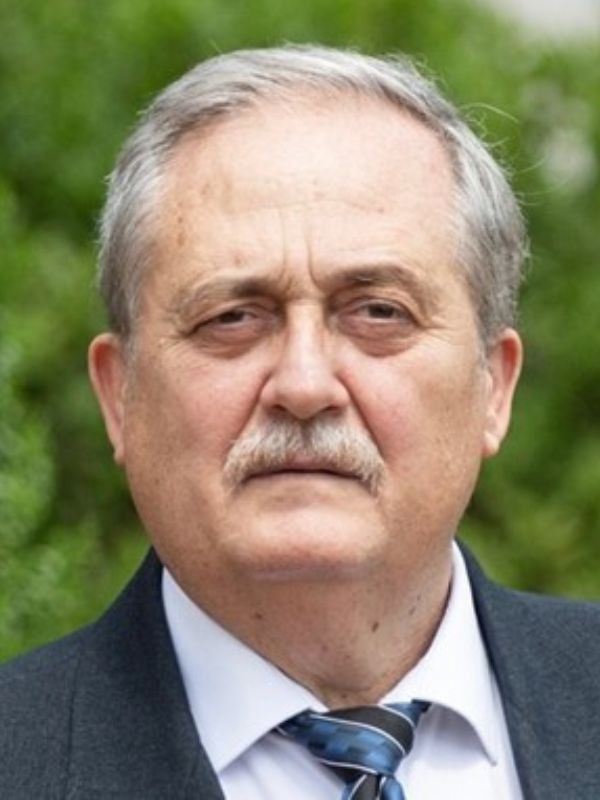
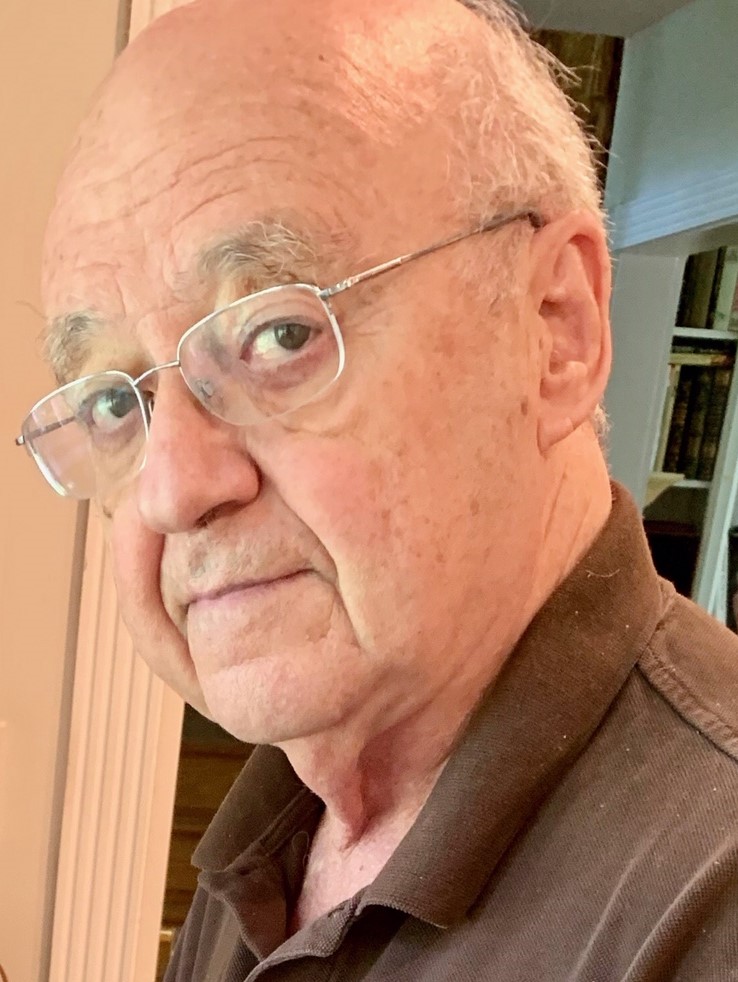
Physician, Pharmacologist, Research Professor
György Kunos earned his MD degree with honors from Semmelweis University,
followed by a PhD in Pharmacology at McGill University in Montreal, Canada,
in the laboratory of Mark Nickerson. He remained at McGill University as a
faculty member and was subsequently appointed Professor of Pharmacology
and Medicine.
Academic and Professional Career
In 1987, he became Head of a laboratory at the National Institute on Alcohol
Abuse and Alcoholism (NIAAA), part of the National Institutes of Health (NIH).
In 1992, he left the NIH to serve as Chair and Professor of the Department of
Pharmacology and Toxicology at Virginia Commonwealth University in Richmond,
Virginia.
In 2000, he returned to the NIH as Scientific Director of the NIAAA, while also
serving as Head of the Laboratory of Physiologic Studies.
He is an elected Fellow of the American Heart Association and a foreign member
of the Hungarian Academy of Sciences.
Research Areas and Scientific Contributions
Dr. Kunos’ research focuses on the biology of endocannabinoids,
endogenous lipid-derived molecules that activate the same G protein–coupled
cannabinoid (CB) receptors as the psychoactive component of marijuana, THC.
His work has been particularly influential in elucidating the role of the
endocannabinoid system in metabolism, cardiovascular function, and the neural
control of appetite and related behaviors, including alcohol consumption.
His research group discovered that endocannabinoids acting at CB1 receptors
promote appetite as components of leptin-regulated hypothalamic neural pathways
(Nature, 2001; cited more than 2,100 times).
The appetite-stimulating role of endocannabinoids provided the rationale for the
development of the CB1 antagonist/inverse agonist rimonabant for
the treatment of obesity. Rimonabant effectively reduced body weight and improved
metabolic complications associated with obesity. However, due to
neuropsychiatric side effects, the drug was withdrawn from the market in 2008,
and further therapeutic development of this compound class was discontinued.
In subsequent years, the Kunos laboratory generated extensive preclinical
evidence demonstrating that diet-induced obesity and its metabolic
complications—such as fatty liver disease, insulin resistance, and
dyslipidemia—are mediated primarily by CB1 receptors located in the liver and
other peripheral tissues, whereas the receptors responsible for behavioral side
effects reside in the central nervous system
(Journal of Clinical Investigation 2005, 2008, 2010;
Cell Metabolism 2012; Nature Medicine 2013).
These findings led to the hypothesis that
second-generation, peripherally restricted CB1 antagonists
could preserve the therapeutic potential of CB1 blockade while avoiding
central nervous system side effects.
This concept inspired multiple research groups to develop such compounds.
A molecule developed by members of the Kunos laboratory,
monlunabant, was the first peripherally restricted CB1 antagonist
to advance to Phase II clinical trials in obese patients with
metabolic syndrome (Lancet Diabetes & Endocrinology, 2025).
Scientific Impact and Citations
Dr. Kunos’ work is widely cited in the scientific literature, with more than
42,000 independent citations.
His H-index is 103, according to Google Scholar.